
The Method
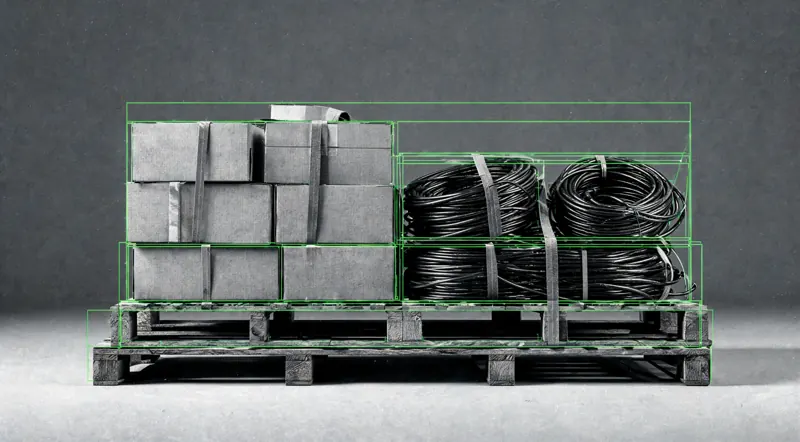
Six steps. One pallet.
The same discipline runs on a grocery floor, in a restaurant kitchen, across a campus, and through a residential building. Here it is, carried by the simplest unit of work there is.
Chapter 01
Identify inefficiency
We audit the environment, physical or digital, to surface the friction points, gaps, and failures that cost time and money. Nothing moves until the space is measured.

Chapter 02
Build the operating model
Chaos is replaced with a repeatable framework. Every workflow is mapped, sequenced, and assigned an owner, so the work runs the same way whoever is on shift.

Chapter 03
Add the technology layer
Technology goes where it removes friction: scheduling, documentation, and digital infrastructure that supports the people doing the work. Never the other way around.

Chapter 04
Optimize margins and performance
Once it runs, we measure it. Underperforming steps are refined and resources move to the highest-value work. Less handling, fewer trips, cleaner hand-offs.

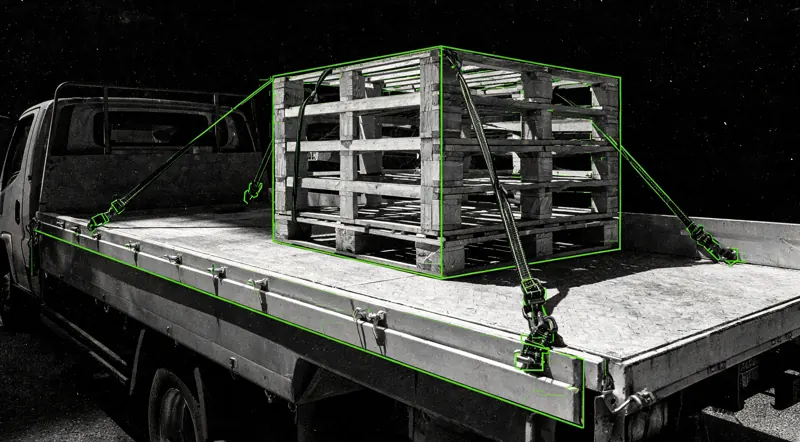
Chapter 05
Document the transformation
Every operation is recorded as a living document. The work becomes institutional, not dependent on one person’s memory. This is the record our clients get when a job is done.


Chapter 06
Package the framework
The result is a portable playbook, deployable across properties, projects, and trades without starting from scratch. One method, carried to the next site.
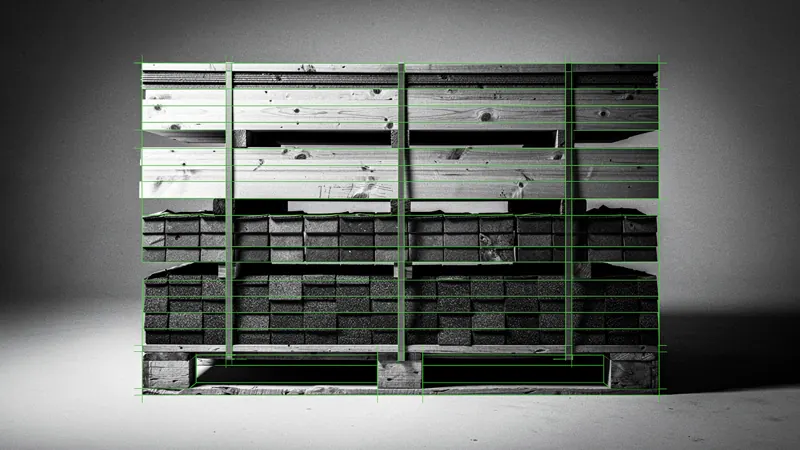 Construction
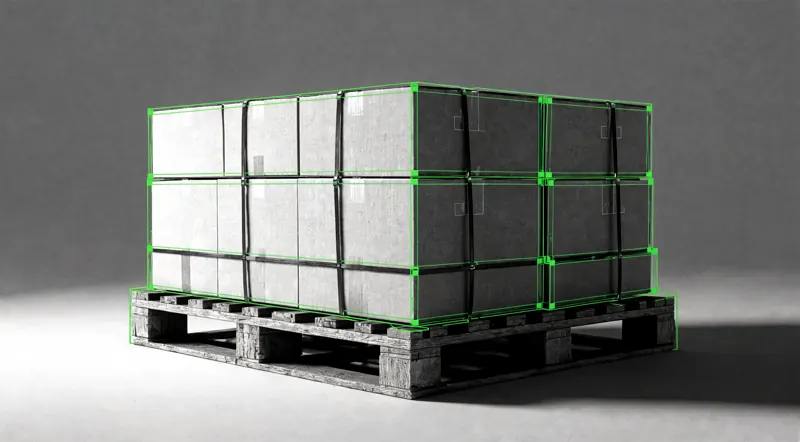 Furniture logistics
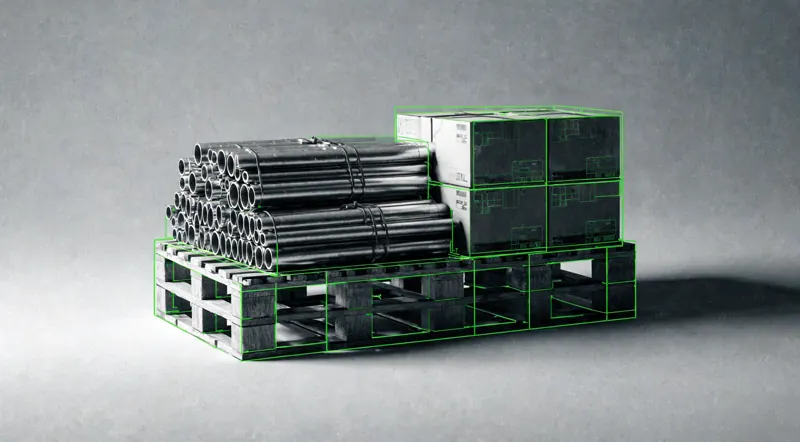 Plumbing
 Digital systems